
 Yorum Yap
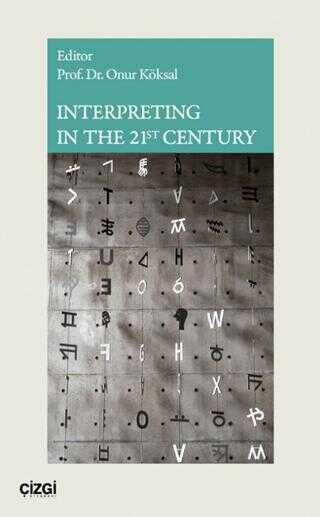
Bringing Interpreting in the 21st Century to its conclusion, I find myself reflecting on the breadth and depth of the insights shared within these pages. The contributions in this volume have illuminated the many ways in which interpreting continues to transform, shaped by emerging technologies, shifting communication patterns, and evolving pedagogical needs.
The research presented in the Education section highlights the urgency of rethinking how we prepare interpreters for an increasingly unpredictable world. Innovative training methods, reflective practices, and the thoughtful integration of technology all point to a future in which interpreter education is more dynamic, i
Tükendi
Gelince Haber VerBringing Interpreting in the 21st Century to its conclusion, I find myself reflecting on the breadth and depth of the insights shared within these pages. The contributions in this volume have illuminated the many ways in which interpreting continues to transform, shaped by emerging technologies, shifting communication patterns, and evolving pedagogical needs.
The research presented in the Education section highlights the urgency of rethinking how we prepare interpreters for an increasingly unpredictable world. Innovative training methods, reflective practices, and the thoughtful integration of technology all point to a future in which interpreter education is more dynamic, inclusive, and adaptive.
Meanwhile, the Profession section reveals the realities that working interpreters confront daily. Issues of censorship, cognitive load, emotional resilience, and divergent professional standards remind us that interpreting is more than a linguistic task, it is a deeply human endeavor carried out under complex pressures.
As editor, my aspiration is that this book will not be merely read, but engaged with, questioned, debated, expanded. I hope it encourages its readers to explore new pathways, challenge assumptions, and contribute to the advancement of a field that remains essential to intercultural communication and global understanding.
I express my gratitude once more to the authors, reviewers, and all those who supported the creation of this volume. May the discussions it inspires continue long after these pages are closed.