 Yorum Yap
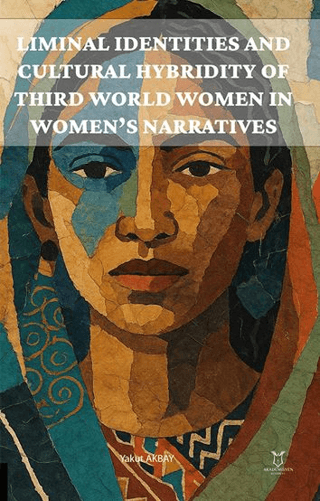
Yakut Akbay’s study Liminal Identities and Cultural Hybridity of Third World Women in Women’s Narratives focuses on three novels by three writers: Andrea Levy’s Small Island (2004), Monica Ali’s Brick Lane (2003), and Sefi Atta’s A Bit of Difference (2012). All these novels and writers are significant in the field of contemporary diasporic literature. Levy, an English writer with Jamaican parentage, writes about the life of Jamaicans in Britain, the Bangladeshi British Ali depicts Bangladeshi immigrant lives in London, and the Nigerian American Sefi Atta’s work deals with
Nigerian experiences between London and Lagos. Akbay’s careful scrutiny of the novels is a v
Tükendi
Gelince Haber VerYakut Akbay’s study Liminal Identities and Cultural Hybridity of Third World Women in Women’s Narratives focuses on three novels by three writers: Andrea Levy’s Small Island (2004), Monica Ali’s Brick Lane (2003), and Sefi Atta’s A Bit of Difference (2012). All these novels and writers are significant in the field of contemporary diasporic literature. Levy, an English writer with Jamaican parentage, writes about the life of Jamaicans in Britain, the Bangladeshi British Ali depicts Bangladeshi immigrant lives in London, and the Nigerian American Sefi Atta’s work deals with
Nigerian experiences between London and Lagos. Akbay’s careful scrutiny of the novels is a valuable contribution to the analysis of diasporic, immigrant conditions of women. Akbay analyses the novels’ women characters – especially the protagonists, Hortense, Nazneen, and Deola – and how they negotiate their hybrid in-between lives in London, a former colonial centre. The backgrounds, times, and conditions of the women are different, but they all face similar problems with adapting to their new environment. By locating the analyses of the novels in a postcolonial framework, Akbay is able to pinpoint the sore points of diasporic women’s lives, and the causes of their resistance to assimilate.