 Yorum Yap
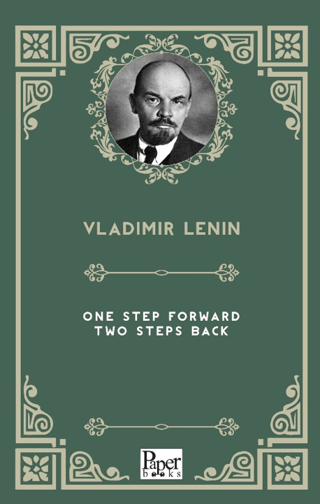
Vladimir Lenin’s One Step Forward, Two Steps Back is a seminal political analysis of the internal debates within the Russian Social Democratic Labour Party (RSDLP) and a foundational text on revolutionary organization. Written in 1904, this work systematically presents Lenin’s ideas on party structure, discipline, leadership, and strategy — ideas that would later shape the course of the Russian Revolution. In this text, Lenin defends the principles of ideological unity and centralized organization, emphasizing the need for a disciplined vanguard to ensure the effectiveness of the revolutionary movement. The debates captured in this work mark the theoretical beginning of the split between the
Tükendi
Gelince Haber VerVladimir Lenin’s One Step Forward, Two Steps Back is a seminal political analysis of the internal debates within the Russian Social Democratic Labour Party (RSDLP) and a foundational text on revolutionary organization. Written in 1904, this work systematically presents Lenin’s ideas on party structure, discipline, leadership, and strategy — ideas that would later shape the course of the Russian Revolution. In this text, Lenin defends the principles of ideological unity and centralized organization, emphasizing the need for a disciplined vanguard to ensure the effectiveness of the revolutionary movement. The debates captured in this work mark the theoretical beginning of the split between the Bolsheviks and the Mensheviks, defining a model of party organization that influenced revolutionary movements for generations. One Step Forward, Two Steps Back is not merely a historical polemic but a profound reflection on how revolutionary organizations are built, how internal democracy can function, and how collective will is forged. Lenin’s sharp reasoning and unwavering commitment to organization make this work a lasting classic in political theory and socialist strateg.