 Yorum Yap
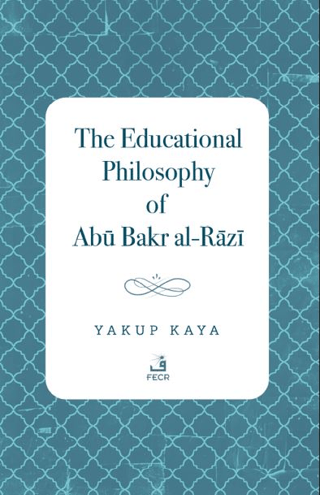
This study offers a thorough exploration of the intellectual and educational legacy of Abu Bakr al-Razi (Rhazes), one of the most influential figures of the Islamic Golden Age. Set within the socio-cultural context of the 9th and 10th centuries, the research investigates how al-Razi`s rationalist philosophy, scientific methodologies, and moral perspectives contributed to the development of a transformative educational vision rooted in reason, inquiry, and social responsibility. Emphasizing the universal capacity of human reason (?aql), al-Razi advanced an egalitarian approach to education, asserting that disparities in knowledge are primarily due to differences in opportunity and effort, rather than innate ab
Tükendi
Gelince Haber VerThis study offers a thorough exploration of the intellectual and educational legacy of Abū Bakr al-Rāzī (Rhazes), one of the most influential figures of the Islamic Golden Age. Set within the socio-cultural context of the 9th and 10th centuries, the research investigates how al-Rāzī`s rationalist philosophy, scientific methodologies, and moral perspectives contributed to the development of a transformative educational vision rooted in reason, inquiry, and social responsibility. Emphasizing the universal capacity of human reason (ʿaql), al-Rāzī advanced an egalitarian approach to education, asserting that disparities in knowledge are primarily due to differences in opportunity and effort, rather than innate ability. His systematic scientific approach, characterized by empirical
observation, hypothesis formation, and logic, laid the foundations for modern scientific inquiry, especially in medicine and chemistry.
Furthermore, his metaphysical and cosmological reflections reveal an effort to harmonize rational understanding with spiritual and theological pursuits, highlighting his balanced engagement with science and
spirituality. His writings emphasize the ethical responsibilities of scholars and physicians, advocating for moral virtues such as humility, compassion, and integrity—integral to societal progress. The socio-cultural environment of Baghdad and Rayy, centers of knowledge during the Abbasid era, played a crucial role in shaping his ideas, with institutions like Bayt al-Ḥikma facilitating the transmission and development of scientific
and philosophical traditions. Al-Rāzī’s educational philosophy, which integrates empirical science with moral virtue and social justice, remains highly relevant, inspiring contemporary models of inclusive and critical education. His legacy exemplifies an innovative synthesis of diverse cultural influences, emphasizing reason and moral responsibility as pillars of scientific and educational advancement. This study synthesizes biographical data, philosophical contributions, and historical context to underscore al-Rāzī’s enduring impact on both Islamic and Western intellectual traditions. Ultimately, his work exemplifies a rational, ethical approach to education and science, offering valuable insights for modern educational reform and scientific inquiry grounded in moral integrity and social equity.